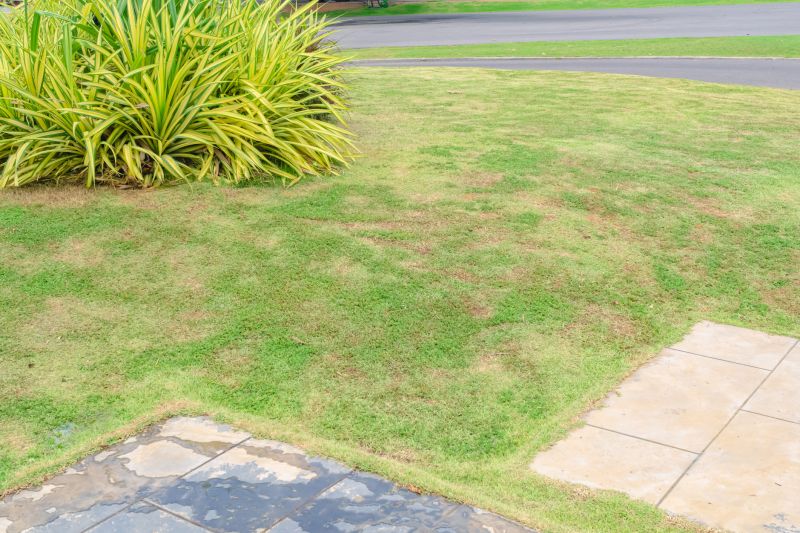
Lawn Disease Treatment in Ventura County, CA
Lawn disease treatment services focus on identifying and controlling common turfgrass illnesses that can affect the health and appearance of a lawn. These services typically cover a range of projects, including diagnosing issues caused by fungal, bacterial, or other pathogens, and applying targeted treatments to eliminate or reduce the spread of diseases such as brown patch, dollar spot, or rust. Property owners usually want to understand the specific types of lawn diseases affecting their grass, the treatment options available, and how to prevent future outbreaks to maintain a lush, healthy yard.
Before requesting lawn disease treatment, homeowners often seek information about the signs and symptoms of common lawn diseases, the best timing for treatments, and any necessary follow-up care. It’s important to consider the type of grass, local climate conditions, and existing lawn maintenance practices when evaluating treatment options. Proper diagnosis and tailored treatment plans can help restore the health of the lawn and protect it from recurring problems.
Many property owners in Ventura County, CA look into Lawn Disease Treatment for repairs, replacements, upgrades, and appearance-related improvements.
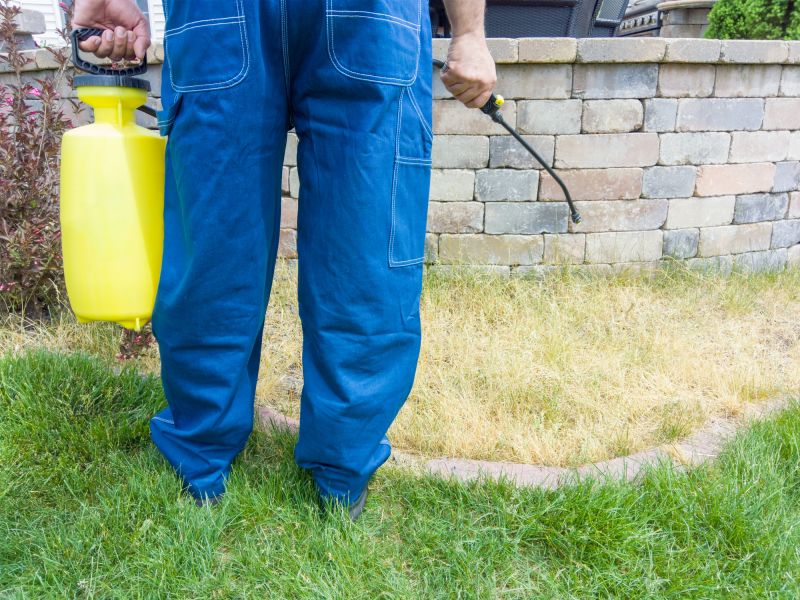
Identifying Lawn Diseases
Understanding common symptoms helps in early detection of lawn diseases.
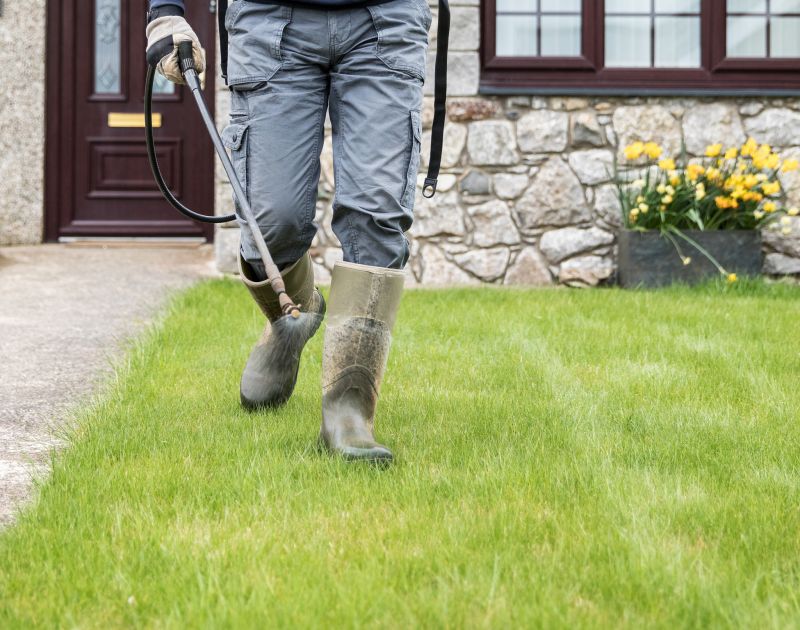
Preventive Care Strategies
Proper watering, mowing, and fertilization can reduce the risk of disease development.
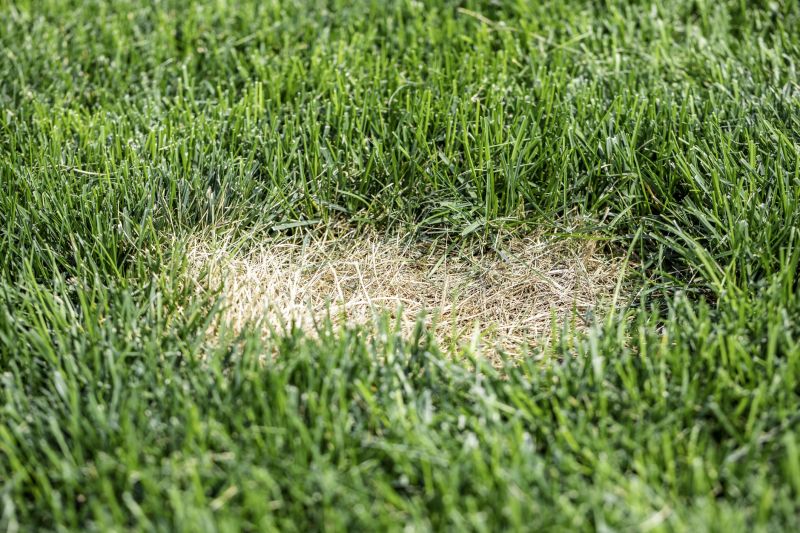
Effective Treatment Options
Targeted treatments restore health and vitality to affected lawns in ventura county.
Lawn Disease Treatment in Ventura County, CA

Lawn disease treatment services focus on identifying and controlling common turfgrass illnesses that can affect the health and appearance of a lawn. These services typically cover a range of projects, including diagnosing issues caused by fungal, bacterial, or other pathogens, and applying targeted treatments to eliminate or reduce the spread of diseases such as brown patch, dollar spot, or rust. Property owners usually want to understand the specific types of lawn diseases affecting their grass, the treatment options available, and how to prevent future outbreaks to maintain a lush, healthy yard.
Before requesting lawn disease treatment, homeowners often seek information about the signs and symptoms of common lawn diseases, the best timing for treatments, and any necessary follow-up care. It’s important to consider the type of grass, local climate conditions, and existing lawn maintenance practices when evaluating treatment options. Proper diagnosis and tailored treatment plans can help restore the health of the lawn and protect it from recurring problems.
Many property owners in Ventura County, CA look into Lawn Disease Treatment for repairs, replacements, upgrades, and appearance-related improvements.
Common Lawn Disease Treatment Jobs
Lawn Disease Treatments - specialized services to identify and manage common turf diseases.
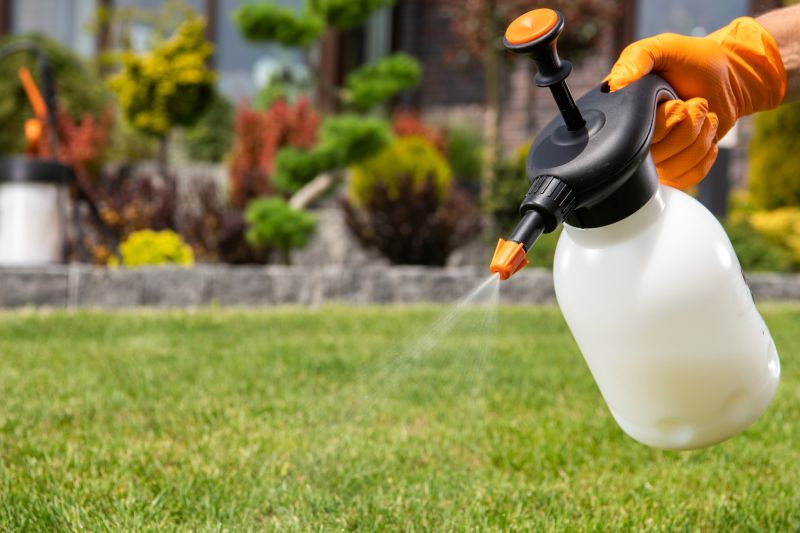
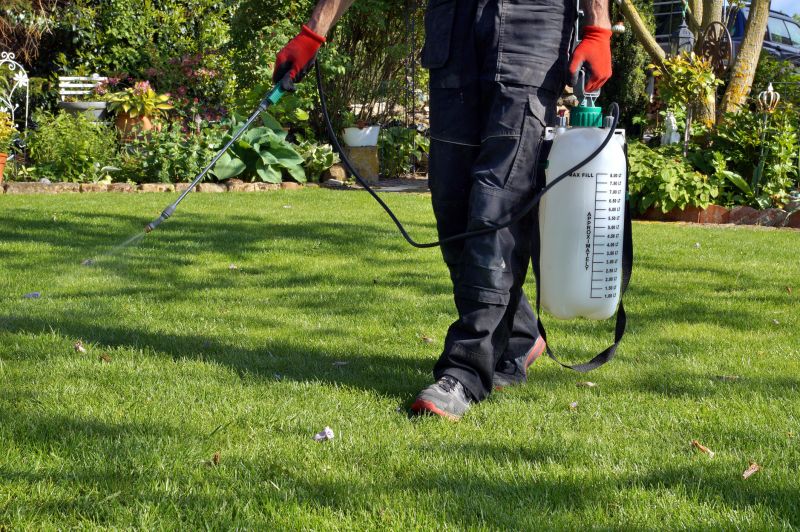
Fungicide applications - targeted treatments to control fungal infections causing lawn damage.
Preventive care - strategies to reduce the risk of future disease outbreaks.
Disease diagnosis - professional assessment to determine the specific cause of lawn problems.
Rescue services - treatment options to restore health to affected grass areas.
Ongoing maintenance - advice on practices to keep lawns healthy and disease-resistant.
Lawn Disease Treatment Questions
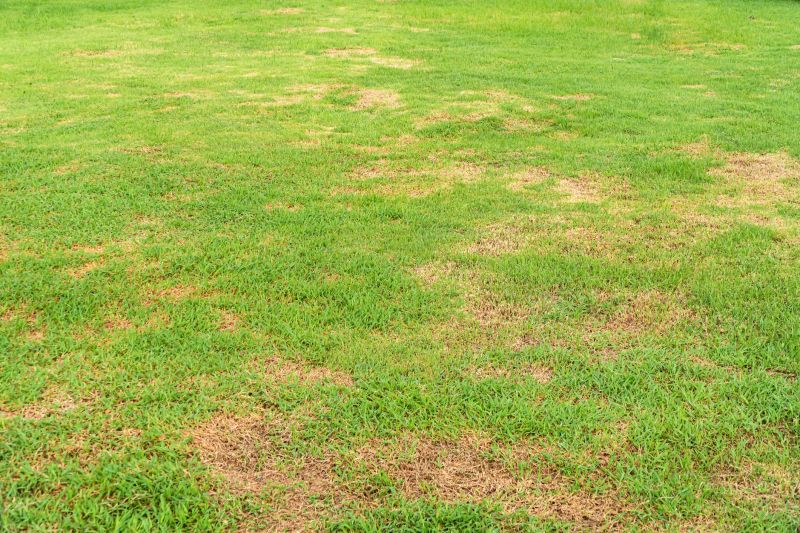
What are common signs of lawn disease? Discolored patches, thinning grass, or fuzzy white spots can indicate a lawn disease.
How can lawn diseases be prevented? Proper watering, mowing at the right height, and avoiding excess fertilizer help prevent diseases.
What treatments are effective for lawn diseases? Treatments typically include fungicides and cultural practices to reduce disease spread.
When should lawn disease treatment be applied? Treatment should be applied at the first signs of infection to minimize damage and promote recovery.
Request Lawn Disease Treatment in Ventura County, CA
Use the quote form on this page to share the basics of your project and request more information for the type of work you need.